

In 2026, ocean surface temperatures surpassed global historical records, reaching unprecedented levels, according to scientists. This extreme warming directly alters marine ecosystems and intensifies weather phenomena worldwide.
Below, we analyze the causes, impacts, and projections associated with this climate milestone.
Unprecedented ocean temperature record in 2026
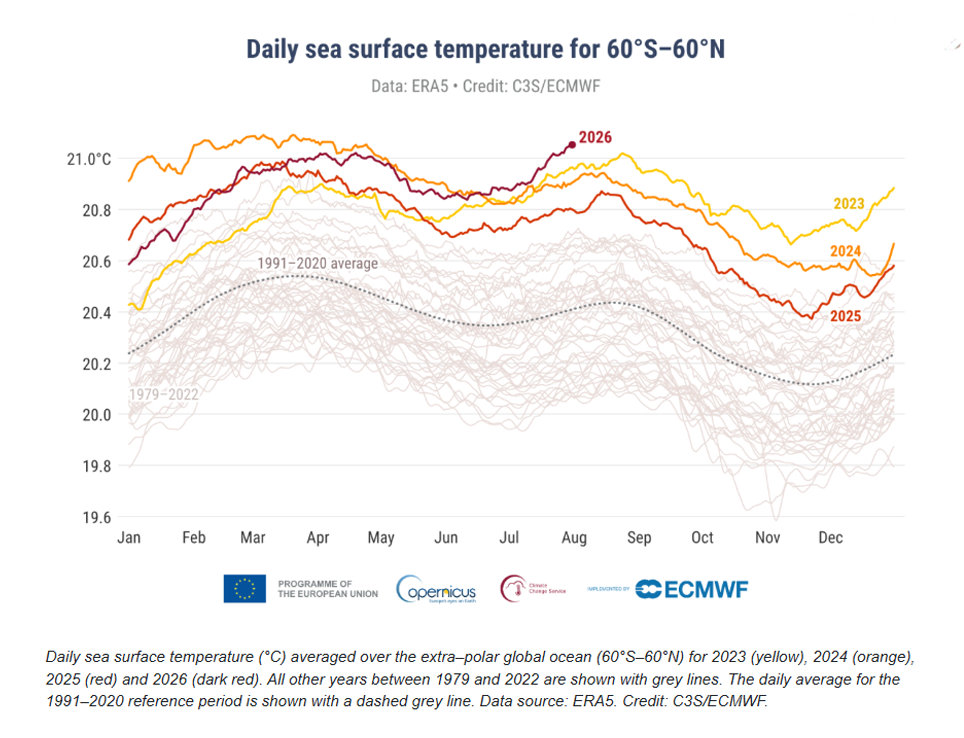
According to the Copernicus Climate Change Service, the planet’s oceans recorded their highest daily temperature since tracking began. The August 22, 2026, report indicates that the average ocean surface temperature reached 21.1°C (excluding the polar regions), surpassing the all-time record of 21.09°C set in March 2024.
 Sea surface temperatures (SST)
- The average sea surface temperature across the extrapolar ocean (60°S–60°N) during July 2026 was the highest on record for that month, reaching 20.96°C and surpassing the previous July record of 20.89°C set in 2023.
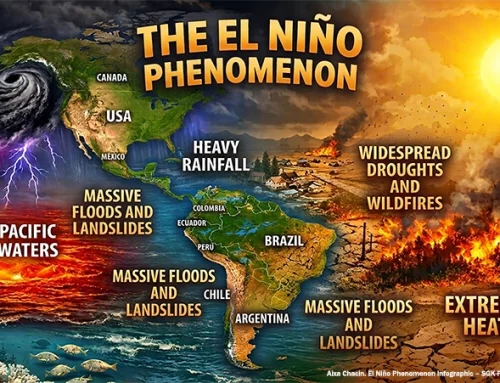
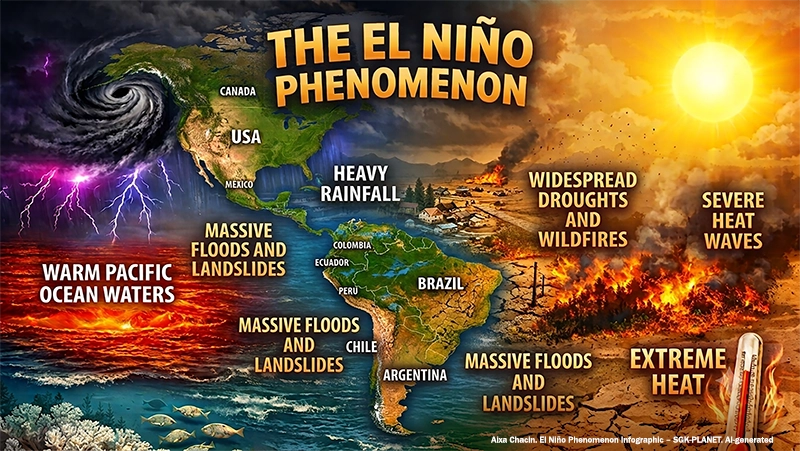
- Sea surface temperatures remained particularly high across much of the tropical Pacific, a region where forecasts indicate El Niño will intensify further in the coming months.
- In Europe, sea surface temperatures hit record highs in July along the Atlantic coast and in the western Mediterranean, accompanied by a severe and high-impact marine heatwave.
How does 2026 compare to previous years?
Records of temperature anomalies began in January 1850. Since then, the record was set in July 2023, with July 2026 “ranking as the third-highest monthly temperature deviation on record”, falling just 0.01°C (0.02°F) short of the record, which was matched in January and February 2024.
According to NOAA’s Climate Prediction Center, El Niño is expected to strengthen toward the end of the year, with a 97% probability that it will persist through the Northern Hemisphere spring (March–May) of 2027.
Global surface temperature chart. July 2026
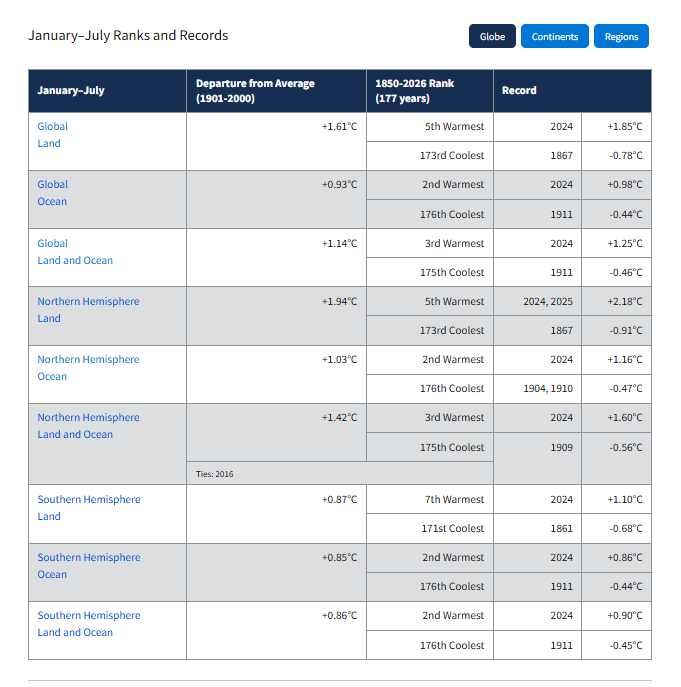
Source: National Centers for Environmental Information. NOAA
Key factors driving ocean warming
The extraordinary ocean heat being recorded is closely linked to the El Niño phenomenon, which raises sea-surface temperatures in the tropical Pacific. At the same time, it is another consequence of the climate crisis, which threatens to trigger extreme events in the coming months.
Samantha Burgess, a climate specialist at the European Center for Medium-Range Weather Forecasts (ECMWF), states:
“This record is another clear sign of an ocean under increasing pressure. El Niño is intensifying global warming, but it is doing so on top of decades of warming caused by human activity. As ocean temperatures continue to rise, so do the risks to marine ecosystems and coastal communities.” — Copernicus.
According to John Kennedy, a climate data specialist at the World Meteorological Organization (WMO), a system of high- and low-pressure areas persists across the Northern Hemisphere. High-pressure zones foster high temperatures and dry conditions, while low-pressure zones bring cool, wet weather.
The United Nations (UN) reports that the planet’s oceans recorded their highest-ever surface temperatures in July. During the first half of the year, about 82% of the world’s oceans experienced marine heatwaves of varying intensity, the second-largest extent observed since 2024.
Implications for coastal regions and the continental climate
Warming ocean waters bring high-impact consequences, including intensified extreme weather events, a significant rise in sea levels, and extensive damage to marine life. Rising ocean temperatures threaten various ecosystems and alter the living conditions of numerous species.
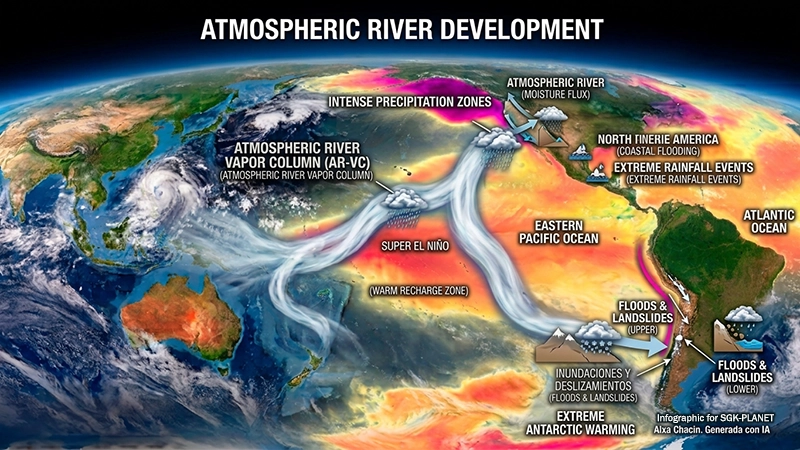
It also increases the risk of more intense storms, extreme rainfall, higher sea levels, and coastal flooding. Furthermore, it could reduce the ocean’s capacity to regulate the climate and increase pressure on coastal areas.
Aixa Chacin
Editorial Director, SGK-PLANET
Sources Consulted
Álvarez, Clemente. (2026, 24 de agosto). Los océanos del planeta registran la temperatura diaria más alta desde que hay datos. El País. https://elpais.com/clima-y-medio-ambiente/2026-08-24/los-oceanos-del-planeta-registran-la-temperatura-mas-alta-desde-que-hay-datos.html
Copernicus. (2026, August 10). Highest July global ocean surface temperatures as exceptionally hot, dry conditions fuel wildfires in Europe. (Temperaturas superficiales oceánicas globales más altas en julio, mientras que condiciones excepcionalmente cálidas y secas alimentan incendios forestales en Europa). https://climate.copernicus.eu/copernicus-highest-july-global-ocean-surface-temperatures-exceptionally-hot-dry-conditions-fuel
NOAA Centros Nacionales de Información Ambiental. (2026, Julio). Informe Climático Global Mensual de julio de 2026. DOI:https://www.ncei.noaa.gov/access/metadata/landing-page/bin/iso?id=gov.noaa.ncdc:C00672
NOAA. Climate Prediction Center (NCEP). (2026, August 31). ENSO: Recent Evolution, Current Status and Predictions. Recuperado de https://www.cpc.ncep.noaa.gov/products/analysis_monitoring/lanina/enso_evolution-status-fcsts-web.pdf
Quiñones, Laura. (2026, 11 de agosto). El calor de los océanos alcanzó un máximo histórico en julio en medio de múltiples extremos climáticos. Naciones Unidas. Noticias ONU. https://news.un.org/es/story/2026/08/1541797
Templo, José. (2026, 29 de agosto). El último récord que acaba de alcanzar el fenómeno El Niño en lo que va del 2026. El Comercio.



Leave A Comment