
Esta entrada también está disponible en:
 Español (Spanish)
 English
The climate roadmap, from the Paris 2015 mandate to the lack of commitments in Belém 2025
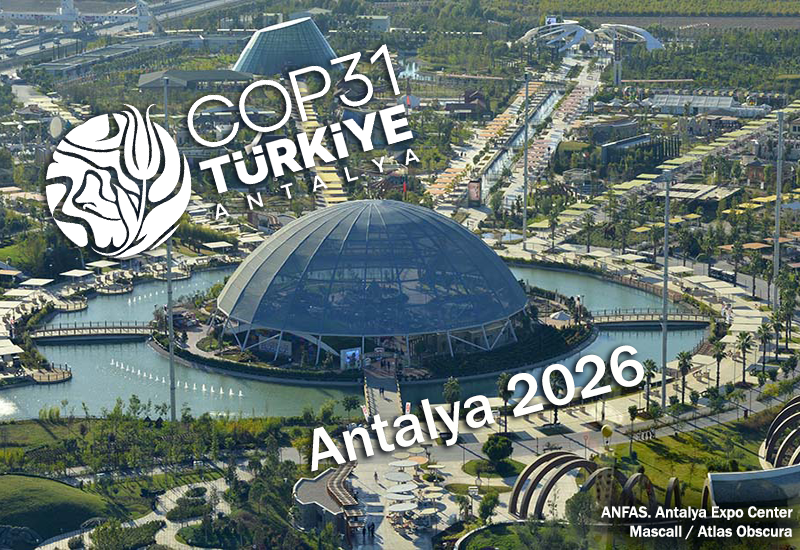
Before analyzing the trajectory of the COP summits leading up to the highly anticipated COP31 in 2026, let’s look at the details regarding the event in Antalya, Turkey.
Preliminary information for COP31
Event duration: November 9–20, 2026.
Name: COP31 Antalya 2026, or the 31st Conference of the Parties.
Location: Antalya, Turkey.
Venue: ANFAS Antalya Expo Center, Turkey.
Shared format: Turkey holds the presidency as the host country, while Australia presides over the official negotiations.
President of COP31 and presiding authority: Murat Kurum, Minister of Environment, Urbanization and Climate Change of the Republic of Türkiye.
President of the COP31negotiations: Chris Bowen, Australia‘s Minister for Climate Change and Energy.
Slogan: A COP for the future. From dialogue to consensus, and from consensus to action.
Objectives:
Climate financing: They seek more predictable financing; they warn of deficits in adaptation and climate action.
Loss and damage: The need for resource assistance to help affected countries finance emergencies.
Emissions reductions: Countries differ over the UN program to accelerate emissions reductions and how it should work.
Just transition: New mechanism to move to cleaner economies while protecting workers and communities.
The context in which we arrive at COP31
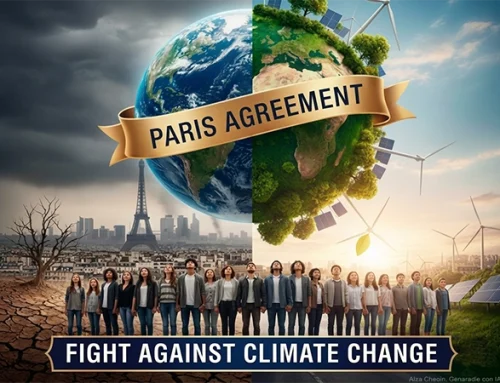
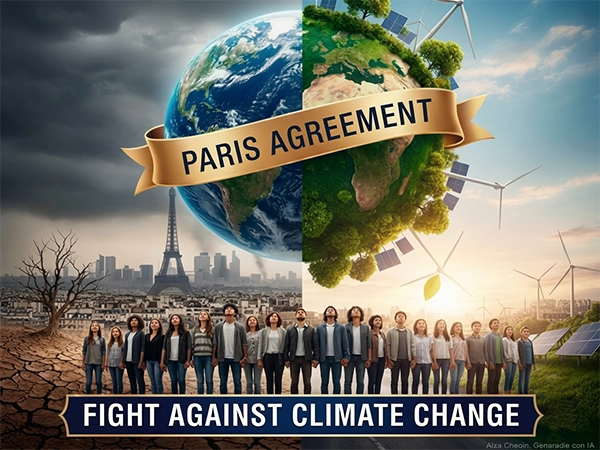
The achievement reached with the Paris Agreement at COP21 in 2015 marked a strong start in the fight against climate change, aiming to ensure that the planet moves through this 21st century while avoiding the serious dangers that a +1.5 °C global warming represents for the Earth.
Eleven years have passed since that landmark agreement. Yet, we are drawing ever closer to a critical “point of no return” for the climate, a threshold that, as scientists have warned for years, would bring catastrophic consequences for most species on this wondrous “blue planet.”
The main reason is the lack of commitment from the 198 countries that are signatories to the Paris Agreement and its goal of limiting the temperature increase to +1.5°C, ranging from a lack of consensus among some delegations to the indifference of others toward the worsening climate situation.
To curb rising global temperatures, it is essential to reduce fossil fuel use and reach “Net Zero” by the second half of the 21st century. However, as noted, this objective remains far from reality today.
Note: “Net zero” refers to a state in which the amount of greenhouse gases (GHGs) released by humanity into the atmosphere is balanced by the amount removed from or absorbed by it, resulting in a net impact of zero.
From the Glasgow Climate Pact (COP26) to the conclusion of COP30 in Brazil—with no mention of fossil fuels.
Since the implementation of the Paris Agreement, there has been a persistent emphasis on heeding scientific warnings about the planet’s rising temperature. Periodic IPCC (Intergovernmental Panel on Climate Change) reports point to the unstoppable increase in atmospheric CO2 ppm.
What, then, is the connection to the climate COPs? Given how often the need to “heed the warnings from science” has been mentioned throughout the COP conferences, one would expect the final resolutions to include mandates aimed at averting these catastrophic forecasts.
After exhaustive debates, COP26 produced the Glasgow Climate Pact, which established the operational framework for the Paris Agreement. From then on, instead of making progress toward these goals, the COP process became trapped in a cycle of conferences hosted by oil-producing nations.
COP27, held in Egypt in 2022, an oil-producing country, saw oil-industry lobbyists arrive. At COP28 in the United Arab Emirates (2023) and COP29 in Azerbaijan (2024), presiding officials issued statements justifying oil extraction and sales, contradicting the mandates of the Paris Agreement.
By COP30 in Brazil (2025), delegations were outnumbered by oil industry lobbyists. For the first time, a COP concluded without a final resolution document, producing only a statement with no mention of fossil fuels. This outcome is unthinkable for a nation so vulnerable to the climate crisis.
The +2.8 °C projection for the end of the century and expectations for COP31 in Antalya, Türkiye
In October 2026, the latest Emissions Gap Report 2026 from the UNEP (United Nations Environment Program) was published, titled “The Point of Return: Urgent emissions cuts needed to come back from overshoot of 1.5°C.”
The report notes
“Current climate policies are steering the world toward 2.8 degrees Celsius of warming this century, well above the goals of the Paris Agreement.”
The climate roadmap arrives at COP31 in 2026. Australia and Turkey both bid for the COP presidency, competing within the same regional rotation group. As neither candidate withdrew, the signatory nations could not reach the unanimous vote required by the UN; consequently, they decided to share the presidency.
Thus, once again, a country with a major trade in oil, gas, and coal has assumed the COP presidency. Consequently, there is no clear prospect for making definitive progress on reducing the use of fossil fuels, a necessary step to avert a global climate catastrophe.
Our opinion at SGK-PLANET
The stark findings of the UNDP report, combined with the increasingly devastating extreme weather events of 2025 and 2026, which have resulted in greater loss of life and enormous costs for the affected populations and nations, paint a grim picture for this and future generations.
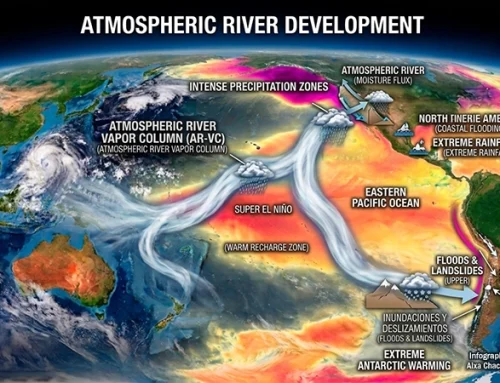
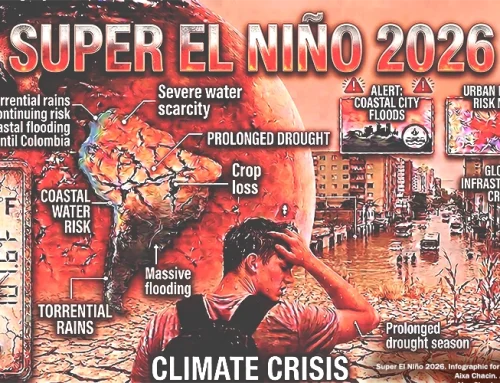
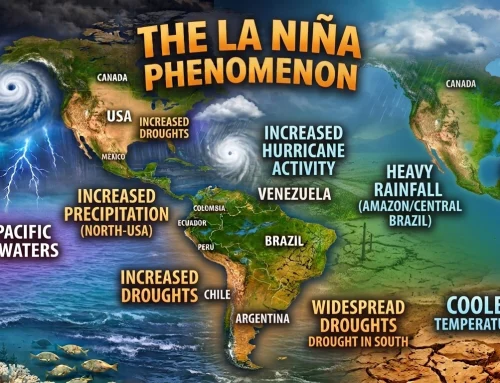
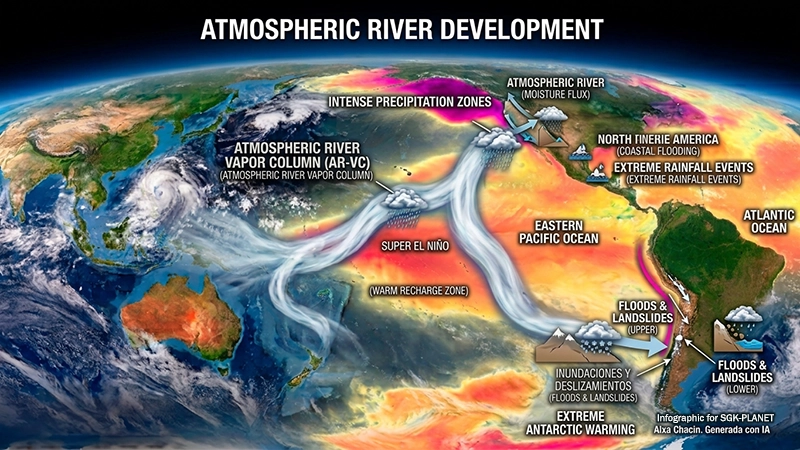
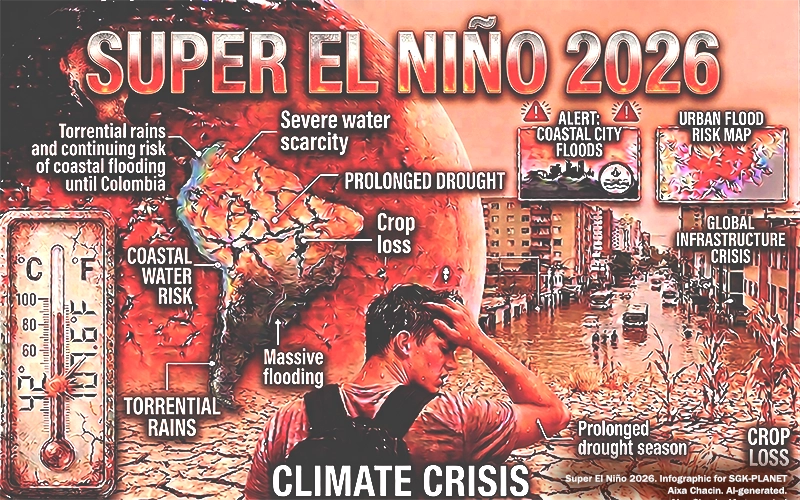
We are witnessing the impacts of natural climate phenomena, unrelated to climate change, such as El Niño, the polar vortex, and atmospheric rivers, which were present in late 2026 and the early months of 2027. We stand on the threshold of an even more rapid acceleration of the climate crisis.
Without a genuine strategic shift at COP31, one that establishes concrete actions to reduce fossil fuel consumption and secures binding commitments from all 196 countries, it seems nearly impossible to reverse the Earth’s climate tipping point before the end of the century.
We hope Antalya will bring a breakthrough, a shift that enables us to meet the Paris Agreement’s primary objective.
Aixa Chacin
Editorial Director of SGK-PLANET



Leave A Comment